
What Is Ceramic Coating, and Is It Worth It for Lawrenceville, GA Drivers?
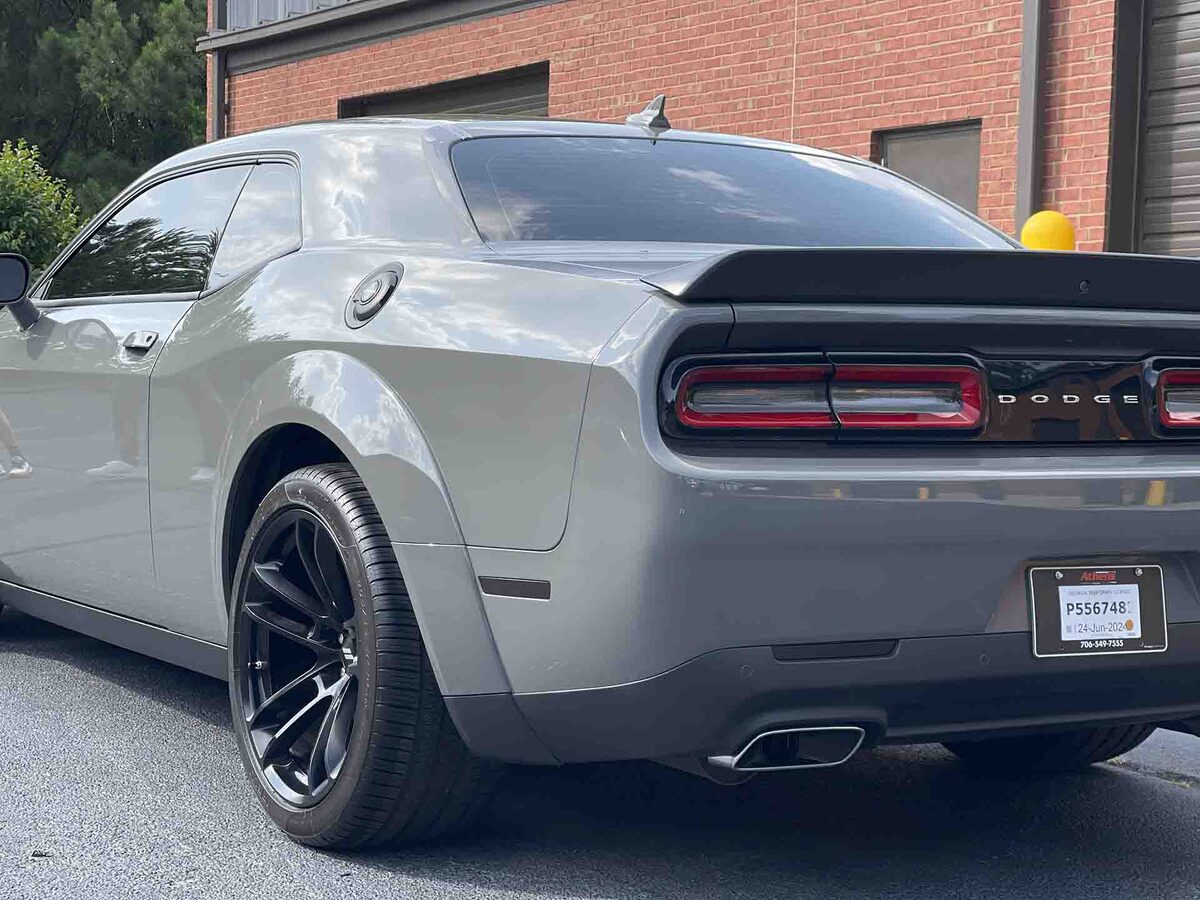
What Is Ceramic Coating for Cars?
A ceramic coating is a liquid protective product applied over properly prepared automotive paint. Once applied and cured, it creates a durable protective layer over the clear coat.
Many professional coatings use SiO2, or silicon dioxide, technology. This type of car ceramic coating is designed to bond with the vehicle's surface rather than simply sitting on top of the paint like traditional wax.
Wax can improve shine and provide temporary protection, but it gradually wears away and requires frequent reapplication. A professionally installed coating is intended to provide longer-lasting ceramic paint protection while also making the vehicle easier to maintain.
What Does Hydrophobic Protection Mean?
One of the most recognizable characteristics of ceramic coating is hydrophobic protection. A hydrophobic surface causes water to form beads instead of spreading across the panel. Those beads can roll away more easily, often carrying loose dust and dirt with them.
This does not mean a coated vehicle becomes self-cleaning. You will still need to wash it. What changes is how easily many contaminants are released from the surface. For daily drivers, that can make routine car paint maintenance noticeably simpler.
Why Lawrenceville Drivers Consider Ceramic Coating
One of the reasons ceramic coating makes sense for many vehicle owners is the local environment. Cars in Georgia are routinely exposed to changing weather, strong sunlight, pollen, rain, humidity, road film, insects, bird droppings, and tree-related contaminants.
A ceramic coating gives the automotive clear coat an additional layer of protection against many of these everyday exposures.
Georgia Sun and UV Exposure
Vehicles that spend long periods parked outdoors are continuously exposed to sunlight. Over time, repeated UV exposure can contribute to fading, oxidation, and deterioration of the vehicle's finish. Ceramic coating can help add UV protection and reduce the direct environmental stress placed on the clear coat.
We do not describe ceramic coating as making paint immune to sun damage. Instead, we see it as one component of a broader vehicle paint protection strategy.
Seasonal Pollen and Surface Contamination
Anyone who drives in Georgia knows how quickly pollen can cover a car. During peak pollen season, a clean vehicle can develop a yellow-green layer surprisingly fast. That pollen is not only unsightly. Allowing contamination to build up can also make washing more difficult.
One advantage of ceramic coating is that its slick surface can make pollen cleanup easier. The coating does not stop pollen from landing on your vehicle. It helps reduce how strongly contamination sticks to the paint, which can make safe washing more manageable.
Bird Droppings, Tree Sap, Rain, and Road Grime
Daily drivers deal with more than pollen. Bird droppings, insect residue, tree sap, water minerals, road grime, and other environmental contaminants can all affect a vehicle's finish when they are left on the surface for too long.
Professional ceramic coating can provide additional chemical resistance and make many of these contaminants easier to remove. However, ceramic coating should never be treated as permission to ignore contamination. Promptly removing bird droppings, tree sap, and other aggressive substances remains one of the best ways to protect your paint.
Ceramic Coating Benefits for Daily Drivers
Many customers are not building show cars. They simply want their everyday vehicle to look better and be easier to maintain. That is where ceramic coating for daily drivers can provide real value.
Easier Washing and Maintenance
A coated surface generally releases dirt and grime more easily than untreated paint. Because the surface is smoother and more hydrophobic, routine washing can require less effort. Water beading also makes drying more manageable when proper wash methods are used.
Longer-Lasting Gloss
One of the most noticeable cosmetic benefits of ceramic coating is the way it can enhance a properly prepared finish. The coating can add depth, clarity, and gloss to the paint while helping maintain that appearance over time.
Preparation matters here. Ceramic coating will not magically remove swirls, scratches, oxidation, or water spots. If the paint already has defects, those issues may need to be addressed before the coating is installed.
What Ceramic Coating Cannot Protect Your Car From
Ceramic coating is not a substitute for physical impact protection. It will not reliably prevent:
- Rock chips
- Deep scratches
- Parking-lot dents
- Heavy abrasion
- Key scratches
- Significant road-debris impacts
Some coatings can provide limited resistance to very light surface marring, but they should not be marketed as scratch-proof.
Ceramic Coating vs. Paint Protection Film
Ceramic coating focuses primarily on hydrophobic protection, gloss, chemical resistance, UV resistance, and easier maintenance. Paint protection film creates a physical barrier over the paint and is better suited for areas exposed to rock chips and road debris.
In many cases, ceramic coating and PPF do not compete with each other. They can work together: PPF on high-impact areas, with ceramic coating improving hydrophobic performance and simplifying maintenance across protected surfaces.
Why Paint Preparation Matters Before Ceramic Coating
Proper preparation is one of the most important factors affecting the final result. A coating protects the condition beneath it, so applying ceramic coating over contaminated or heavily swirled paint will not automatically make those defects disappear.
Depending on the vehicle, preparation may include thorough washing, chemical and mechanical decontamination, paint inspection, polishing, paint correction when appropriate, panel preparation, coating application, and proper curing.
Is Ceramic Coating Worth It for a Daily Driver?
Ceramic coating makes the most sense when the owner understands what they are paying for. It may be a good fit if you:
- Want your vehicle to be easier to clean
- Prefer long-lasting gloss
- Regularly park outdoors
- Deal with Georgia pollen
- Want added environmental protection
- Plan to keep the vehicle for several years
It may not be the right solution if your only concern is rock chips or physical impact damage. In that case, PPF may better match your priorities.
For many Lawrenceville daily drivers, ceramic coating can be valuable when the goal is easier maintenance, enhanced appearance, and additional resistance to environmental contamination. The key is matching the protection method to your actual needs.
Frequently Asked Questions
Does ceramic coating protect against Georgia pollen? It does not prevent pollen from landing on a vehicle. It creates a slick surface that can make pollen and other loose contamination easier to remove during proper washing.
Does ceramic coating prevent scratches and rock chips? No. If rock-chip protection is your priority, paint protection film may be the better option.
Does a ceramic-coated car still need to be washed? Yes. Ceramic coating makes maintenance easier, but the vehicle still requires regular washing.
Is ceramic coating better than wax? Ceramic coating generally offers greater durability and longer-lasting hydrophobic protection than traditional wax, which is less permanent and requires more frequent reapplication.
Ready to protect your car's finish? Get a quote or call us at (470) 775-2410 to talk through ceramic coating for your vehicle.