
What Is a Car Vinyl Wrap? A Guide for Lawrenceville Drivers
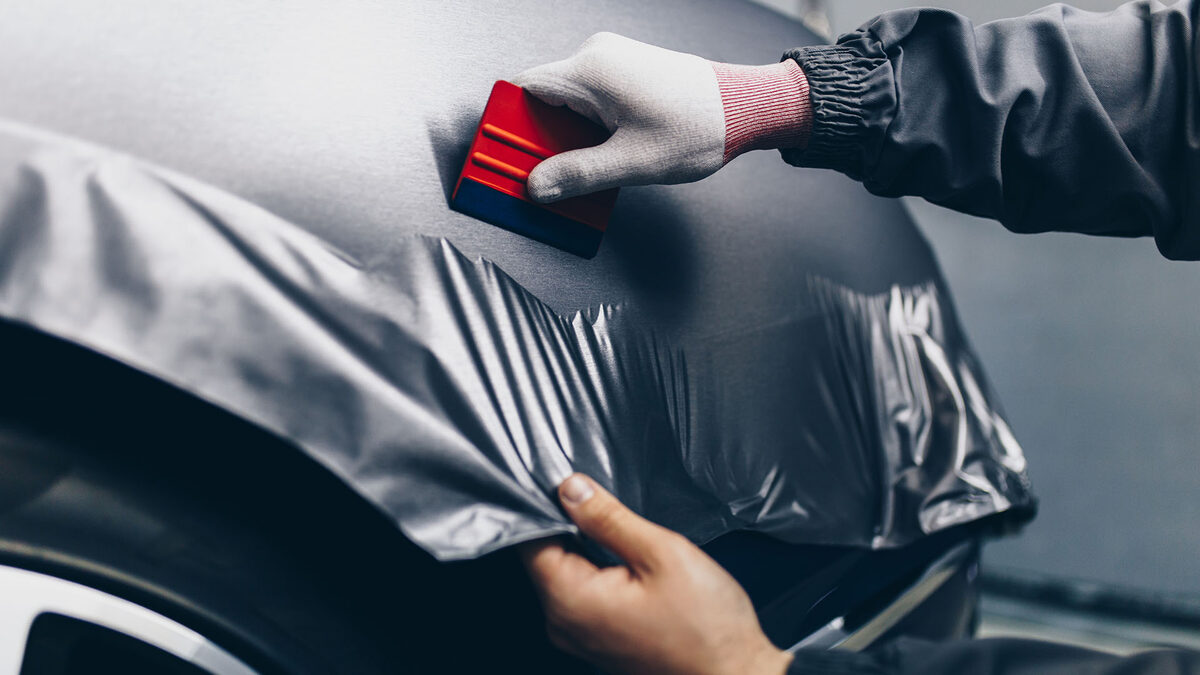
What Is a Car Vinyl Wrap and How Does It Work?
A car vinyl wrap is a thin, adhesive-backed automotive film applied over a vehicle's painted exterior to change its color, finish, or graphics without permanently repainting the body. Installation involves surface inspection and preparation, careful positioning of the material, and specialized techniques to conform the film across curves and body lines. Professional application requires controlled heat and proper squeegee technique; aggressive stretching or installation over contamination can create adhesion problems later.
Why Do Lawrenceville Drivers Choose a Vinyl Wrap?
The primary appeal is flexibility. Wraps allow color changes and finish transformations without permanent paint alteration, with options including gloss, matte, satin, textured, and specialty finishes. A wrap also puts a layer between the factory paint and environmental exposure, though this protection is limited compared with dedicated paint protection film.
Full, Partial, and Color-Change Wraps
- Full wrap: covers most or all visible painted panels for a dramatic transformation.
- Partial wrap: changes selected areas like roofs, hoods, mirrors, or doors for accent styling.
- Custom graphics: incorporates personalized design elements, logos, or patterns.
Car Wrap vs. Paint
The fundamental difference is permanence: vinyl is removable, paint is permanent. Wraps enable specialty finishes that can be difficult with paint. However, wraps cannot repair damaged clear coat, rust, deep scratches, or body damage, so the underlying paint condition matters.
Can a Vinyl Wrap Protect Your Original Paint?
Vinyl reduces direct exposure to UV rays, grime, and light surface contact. But ordinary color-change vinyl is not paint protection film and should not replace dedicated protection for rock-chip resistance.
Why Surface Preparation Matters
Vinyl requires a clean, dry, stable surface for proper adhesion. Dirt residue, scratches, chips, peeling clear coat, or previous bodywork must be evaluated before installation, because wraps do not hide flaws.
Why Professional Installation Matters
Vehicle panels feature compound curves, recesses, seams, and tight areas that require skilled handling. Poor tensioning, rushed trimming, or improper heat can cause distortion or future lifting.
How Long Does a Car Wrap Last?
Durability depends on film quality, installation skill, UV exposure, panel orientation, washing habits, and daily use. High-quality films offer more predictable longevity, but no universal lifespan applies to every situation.
How to Care for a Wrapped Car
Gentle hand washing is recommended, with prompt removal of bird droppings, bug residue, tree sap, and road grime. Avoid aggressive brushes and abrasion, and garage parking when possible reduces UV exposure and heat.
Frequently Asked Questions
Can a vinyl wrap be removed later? Yes, vinyl is designed to be removable, though the underlying paint condition affects the process.
Can you wrap a car with scratches or damaged paint? Sometimes, but wraps do not repair damage, and defects may remain visible or interfere with adhesion.
Is a full wrap better than a partial wrap? Neither is automatically superior; the choice depends on your goals.
Does a vinyl wrap stop rock chips? Standard color-change vinyl offers minimal impact resistance. Paint protection film is better for that.
Curious whether a wrap is right for your vehicle? Get a quote or call (470) 775-2410.